

The point where sports passion meets analytical prediction has always been kind of a fascinating zone but nothing has really pushed it the same way global football does. When people start saying sports culture is shifting gears, the talk usually drifts right back to that huge wave of engagement that shows up in every major tournament cycle. The buzz isn’t just stuck in stadiums or on tv screens anymore; it kind of slipped fully into the digital world and now changes how millions of fans actually respond to the game, in real time.
For platforms like Reddyanna, catching that lightning is what keeps our digital sports ecosystem moving and staying alive. Each new kick-off brings a rush of fresh users who want dependable insights, quick action, and a safe community where they can post their football predictions. That mix between massive international football events and modern digital platforms has basically redrawn the playbook for sports engagement across the globe.
To really get what’s happening here, you have to look at how technology, fan energy, and large-scale tournament structures all ended up aligning. This didn’t arrive overnight, more like it took shape during recent global cups, and little by little turned casual viewers into deeply involved participants.
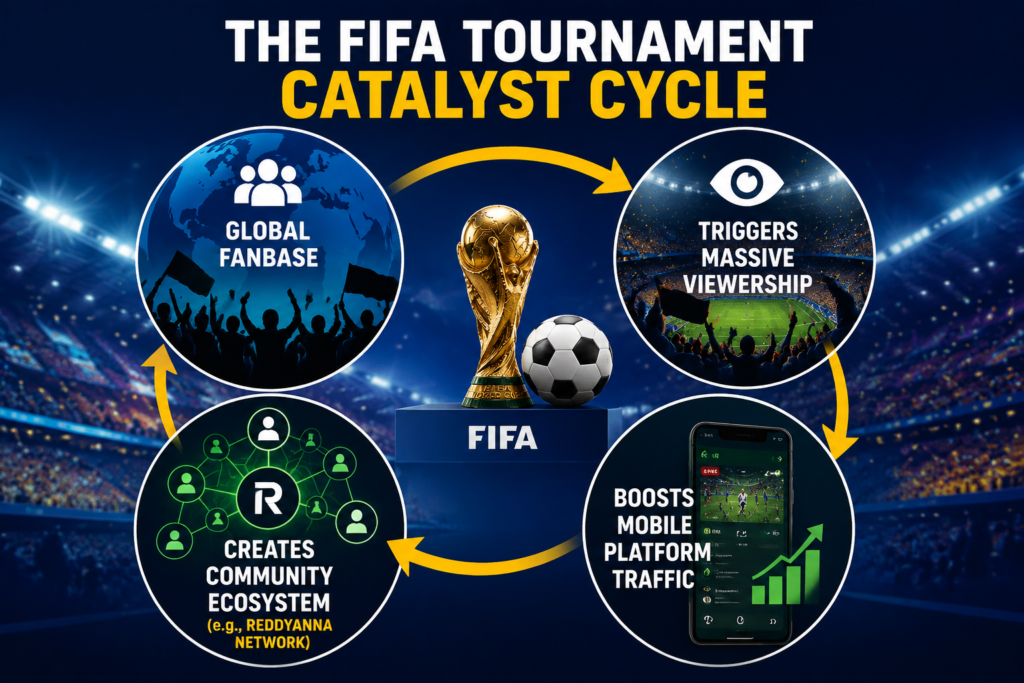
THE FIFA TOURNAMENT CATALYST CYCLE
Every four years, the world kind of pauses for a month to watch 32, and soon 48, nations fight for football immortality. This structural set up makes a pressure-cooker vibe, it is basically a goldmine for data analytics and predictive modeling, because every match matters so much, unlike some long 38-game domestic league run, the attention on data, and match results goes up to this fever pitch almost instantly.
During those tournament windows, sports platforms feel the so called “Catalyst Effect.” Fans who usually only follow their own local domestic clubs get thrown into international styles, strange player duels, and this relentless day after day rhythm of games. That compressed stream of top level football becomes an ideal place for sports enthusiasts to push, and flex, their analytical instincts.
For digital ecosystems, it means sorting, processing, and reacting to millions of user interactions at the same time. The sheer traffic load makes platforms upgrade fast: quicker servers, smoother user interfaces, and security systems that are bulletproof enough to survive the global demand without blinking.
Democratization of Sports Analysis via Mobile Technology

Gone are the days when setting up a prediction, or doing sports analysis, meant you had to walk into those physical, smoky betting shops, or deal with sketchy underground books. Now with smartphones, the whole space got kind a democratized, like, anyone with a device and an internet connection can tap into real-time data feeds. Most platforms now lean heavily into mobile-first architectures too, to fit what people actually do on their phones.
On modern setups, say Reddyanna, the big thing is that a user should be able to reach match odds, analytical breakdowns, and even account management in like three taps max, without any extra running around. The mobile optimization makes it so fans can jump in while they’re parked on their couch, commuting to work, or even just chilling at a sports bar with friends.
And honestly this kind of access has knocked down old barriers. With neat user interfaces, and onboarding that feels straightforward, the newer digital sports platform has pulled in a wider demographic, the kind that used to feel a bit alienated by overly complex analysis, setups and all that.
FIFA Tournament Impact on Platform Metrics
|
FIFA Tournament Phase
|
Platform Traffic Surge
|
Dominant Market Metric
|
User Behavior Shift
|
|---|---|---|---|
The Power of Micro Betting: Redefining In-Play Engagement
One of the biggest transformations pushed by the whole football boom, is the slide away from that old style “win, lose, or draw” kind of predicting. The modern fan really want that quick hit, you know the kind of immediate gratification, plus nonstop back and forth engagement during the full 90 minutes. And yeah, that craving basically helped create micro-betting, or live in-play markets, which are now the main driver behind digital sports traffic.
Instead of hanging around until the final whistle, people can jump into things that feel weirdly precise, and they shift in real time with tiny short-term variables. Like, which side will win the next corner kick? Or will there be a yellow card shown in the next five minutes? Also, who will land the next goal during extra time, not the whole match, just that moment? And maybe the foul count question, will the total number of fouls in the second half go past a specific line set by the platform?
That fine-grained way of engaging keeps viewers glued to the live feed, with an energy level that feels unmatched. It can even turn the most dull, low-scoring group stage matches into tense little psychological showdowns, where the user’s analytical instinct keeps colliding with the messy unpredictability of football, again and again.

Unlocking the "Reddyanna" Advantage: Safety and Speed in a Crowded Market
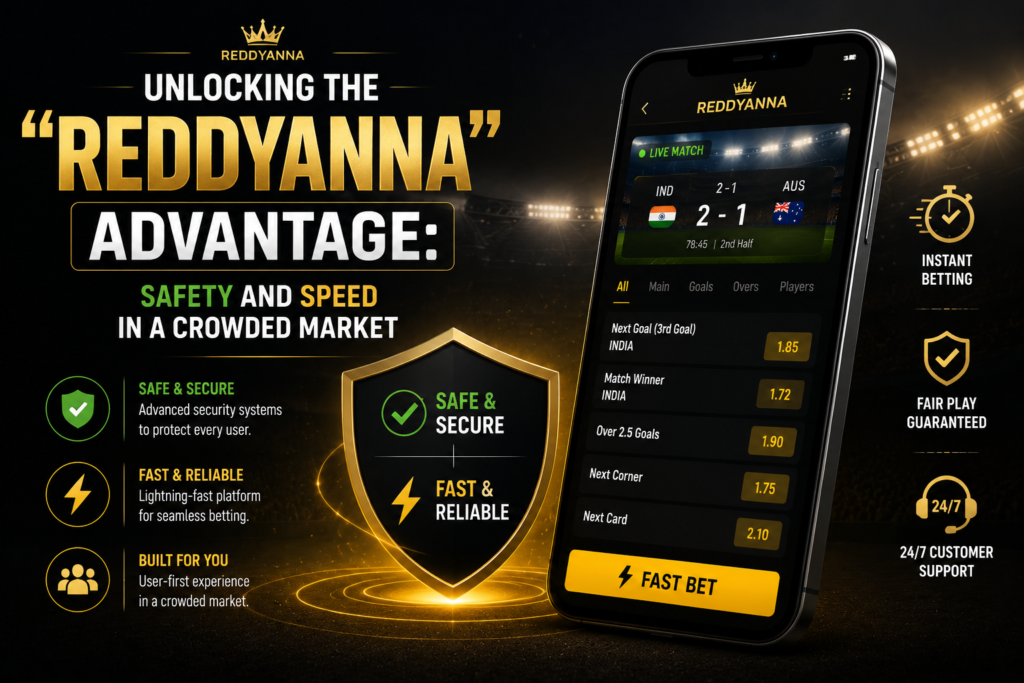
As the market expands globally during massive football cycles, users are frequently confronted with a major dilemma: which digital platform can they actually trust? With hundreds of options popping up overnight, security, transparency, and rapid withdrawal processing have become the true markers of a premier platform. This is where the Reddyanna framework has consistently set industry benchmarks.
A truly elite user experience relies on a foundation of absolute structural trust. When a user creates their digital exchange profile, they expect their data to be fully encrypted and their transactions to be processed seamlessly. By focusing on immediate digital ID generation and providing human-centric customer support, cutting-edge platforms prevent the transaction friction that often ruins the fun of live sports tracking.
Master Your Strategy: Step-by-Step Blueprint to Football Analysis
Navigating a massive football tournament kinda needs a structured approach, so you dont get stuck in info overload, or worse make emotional calls. To keep finding value while sports markets shift, the better analysts usually lean on a disciplined operational framework, rather than vibe alone.
Step 1: Set up a Dedicated Bankroll Management Plan
Timeline/Status: Prerequisite Step
Before you analyze even one matchup, you should carve out a distinct pool of capital, like 100% separate from your everyday living costs. Then split that bankroll into equal units (often 1% to 3% per position) so that one weird series of unpredictable match results never really dents your financial stability.
Step 2: Collect Multi-Source Statistical Data
Timeline/Status: 48 Hours Before Kick-Off
Get broad baseline information, not just one table. You want underlying performance measures such as xG, expected assists (xA), the way teams line up structurally, recent travel patterns, and even local weather forecasts. And try not to stare only at recent win/loss streaks, because they can mask ugly tactical issues that might be due for a correction, honestly.
Step 3: Evaluate Contextual Variables and Team News
Timeline/Status: 24 Hours Before Kick-Off
Watch late press moments for confirmed squad lists, surprise training injuries, tactical changes, or suspensions. Also take in the match context: if a team is already qualified and seems comfortable, they may rest key players, which makes them a high risk “safe” favorite, like the price can look great but the lineup isnt.
Step 4: Contrast Platform Value and Market Movements
Timeline/Status: Match Day
Go into your verified Reddyanna exchange dashboard and compare line shifts, then check odds across multiple different markets. Look for obvious mismatches where the crowd’s emotional tendency has sort of artificially raised a well known team’s price, cre
The Social Integration Ecosystem: Community-Driven Betting
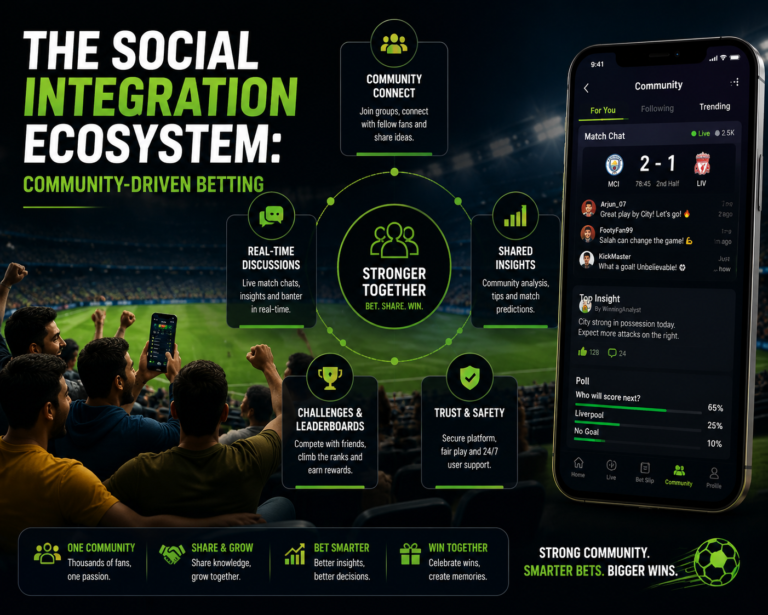
Modern sports engagement is no longer a solitary activity. It has evolved into a deeply social experience where fans want to share their wins, debate their tactical analyses, and celebrate dramatic last-minute goals together within a community.
Digital platforms have adapted by integrating chat forums, social leaderboards, and peer-to-peer betting exchanges directly into their core software. This creates a vibrant ecosystem where users are not just playing against a cold corporate house, but are interacting with other real fans who share their passion for the sport.
This sense of community drastically increases user retention. When a platform feels like a virtual sports lounge filled with like-minded analytical minds, it transforms from a simple transactional utility tool into a daily digital destination.
Conclusion
The explosive growth of sports prediction, during the big FIFA cycles somehow proves that football culture has shifted for good. Fans are no longer just passive viewers; they have become active, data-driven analysts. And when you use advanced mobile tech plus real-time metrics, the whole thing turns a simple traditional pastime into something more interactive, and honestly more strategic too.
Trusted digital ecosystems like Reddyanna are driving this big evolution. They focus on airtight security, fast withdrawals, and clear peer to peer exchange mechanics. So the usual friction people associate with sports tracking gets removed. Users can even strip away emotional bias and lean only on cold statistics, like xG and live pitch data.
Honestly this mix of sports and technology isn’t a short-lived phase. It feels more like a permanent cultural change. With artificial intelligence and hyper personalized dashboards still rolling out, the link between international football tournaments and advanced digital sports platforms will keep getting tighter, and it will end up defining the absolute future of digital entertainment.